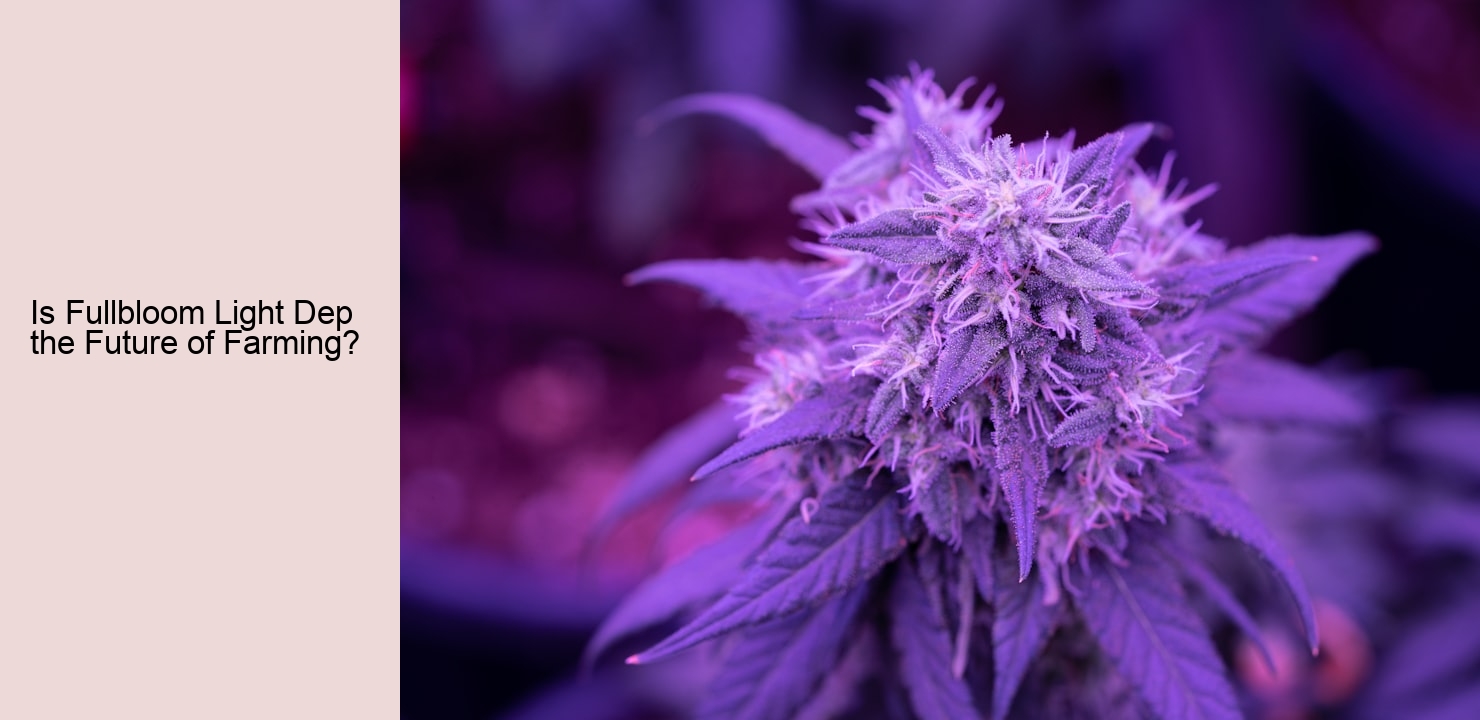
Economic Implications of Adopting Fullbloom Light Dep
The adoption of Fullbloom Light Deprivation (Light Dep) technology in agriculture represents a significant shift towards more efficient and controlled farming practices. As the global population continues to rise and climate change challenges traditional agricultural methods, innovative solutions like Light Dep are increasingly gaining attention. This essay explores the economic implications of adopting Fullbloom Light Dep technology, considering both the potential benefits and challenges.
At its core, Fullbloom Light Dep is a cultivation method that allows farmers to manipulate the light cycle that plants receive, enabling them to optimize growth conditions and potentially increase yields. This technology is particularly beneficial for crops that are sensitive to light, such as cannabis, flowers, and certain vegetables. By controlling the amount and duration of light exposure, farmers can induce flowering and harvest cycles at will, significantly enhancing productivity.
One of the most significant economic benefits of adopting Fullbloom Light Dep technology is increased yield. With the ability to control light exposure, farmers can achieve multiple harvests per year, effectively maximizing the use of their land and resources. This increase in productivity can lead to higher revenues and profitability, especially in markets where demand for high-value crops is rising. Moreover, by producing more in less time, farmers can better meet market demands and reduce the risk of crop shortages.
Additionally, Fullbloom Light Dep technology can lead to cost savings in several areas. Traditional farming often involves significant labor and resource inputs, including water, fertilizers, and pesticides. With controlled environment agriculture, the need for these inputs is reduced, as plants are grown under optimal conditions, reducing the likelihood of pest infestations and disease. This reduction in input costs can further improve economic outcomes for farmers.
However, the adoption of Fullbloom Light Dep technology is not without challenges. The initial investment required for setting up light deprivation systems can be substantial. Farmers must consider the cost of equipment, installation, and potential modifications to existing infrastructure. For small-scale farmers or those in developing regions, these upfront costs may be prohibitive, limiting accessibility to the technology.
Moreover, the operational costs associated with running light dep systems, such as energy consumption, can be significant. While technological advancements are making these systems more energy-efficient, the ongoing costs can still be a burden, particularly in areas where energy prices are high. Farmers must weigh these costs against the potential gains in productivity and revenue.
In conclusion, the economic implications of adopting Fullbloom Light Dep technology in agriculture are multifaceted. While the potential for increased yields and cost savings is significant, the initial investment and operational costs pose challenges that must be carefully considered. As technology continues to advance and become more accessible, Fullbloom Light Dep could indeed represent the future of farming, offering a viable solution to the challenges of modern agriculture. With the right support and investment, this innovative approach holds promise for enhancing food security and sustainability in an ever-changing global landscape.
Environmental Benefits of Light Deprivation Techniques
The agricultural sector is constantly evolving, seeking innovative ways to enhance productivity while minimizing environmental impact. One such advancement garnering attention is the use of light deprivation techniques, particularly in the context of the question, Is Fullbloom Light Dep the Future of Farming? Read more about Fullbloom Light Dep here. Light deprivation, often referred to as light dep, involves controlling the amount of light plants receive, simulating shorter daylight hours to manipulate growth cycles. This method offers several environmental benefits that make it an attractive option for sustainable farming practices.
First and foremost, light deprivation techniques significantly reduce energy consumption. Traditional indoor farming methods typically rely on artificial lighting to maintain plant growth throughout the year. However, by utilizing natural sunlight and strategically blocking it when necessary, farmers can drastically cut down on energy usage. This not only lowers operational costs but also reduces the carbon footprint associated with artificial lighting, contributing to a more sustainable and eco-friendly farming model.
Water conservation is another crucial environmental benefit of light deprivation techniques. By optimizing growth cycles and aligning them more closely with natural rhythms, plants can achieve better water use efficiency. This means that less water is wasted during the cultivation process, which is particularly important in regions where water scarcity is a pressing concern. Furthermore, efficient water use contributes to healthier ecosystems and reduces the strain on local water resources.
Light deprivation also supports biodiversity and soil health. By allowing multiple harvests in a single year, it encourages the cultivation of a wider variety of crops. This diversity is beneficial for soil health, as it reduces the risk of soil degradation and nutrient depletion often associated with monoculture practices. Additionally, a varied crop selection can attract a broader range of beneficial insects and organisms, promoting a balanced ecosystem that reduces the need for chemical pesticides and fertilizers.
Moreover, the use of light deprivation can mitigate the impact of climate change on agriculture. As weather patterns become increasingly unpredictable, the ability to control growth cycles provides a buffer against adverse conditions. Farmers can adjust the timing of their crops to avoid extreme weather events, thereby reducing crop loss and enhancing food security. This adaptability is crucial in ensuring a resilient agricultural system capable of withstanding the challenges posed by a changing climate.
In conclusion, the environmental benefits of light deprivation techniques make them a promising avenue for the future of farming. By minimizing energy consumption, conserving water, promoting biodiversity, and enhancing resilience to climate change, these methods offer a sustainable alternative to traditional farming practices. As the agricultural sector continues to grapple with the need for increased productivity amidst mounting environmental pressures, embracing light deprivation techniques could play a pivotal role in shaping a more sustainable and environmentally friendly future for farming.
Technological Innovations in Fullbloom Light Dep Farming
In recent years, the agricultural industry has witnessed a remarkable transformation, fueled by technological innovations aimed at enhancing productivity and sustainability. One of the most intriguing advancements is Fullbloom Light Dep farming, a method that is rapidly gaining attention as a potential future staple in agriculture. This innovative approach combines traditional farming techniques with cutting-edge technology to create an efficient and environmentally friendly method of crop production.
Fullbloom Light Dep, short for light deprivation, is a cultivation technique that allows farmers to manipulate the light cycles of plants, effectively controlling the photoperiod to simulate different seasons. This method is particularly advantageous for growing crops that are sensitive to daylight, such as cannabis, flowers, and certain vegetables. By using automated systems to cover and uncover greenhouses, farmers can induce flowering at any time of year, leading to multiple harvests annually and increasing overall yield.
One of the significant technological innovations in Fullbloom Light Dep farming is the integration of smart systems and IoT (Internet of Things) devices. These technologies allow for precise control over environmental conditions such as light, temperature, humidity, and CO2 levels. Advanced sensors and data analytics provide farmers with real-time information, enabling them to make informed decisions that optimize plant growth while reducing resource consumption. This not only improves efficiency but also minimizes the environmental impact of farming practices.
Another promising development in Fullbloom Light Dep farming is the use of renewable energy sources to power these systems. Solar panels and wind turbines can supply the energy needed to operate light deprivation systems, making the entire process more sustainable. This aligns with the growing global emphasis on reducing carbon footprints and promoting eco-friendly agricultural practices.
Moreover, Fullbloom Light Dep farming holds the potential to revolutionize urban agriculture. By utilizing vertical farming techniques in conjunction with light deprivation, urban areas can maximize their limited space to produce fresh, local crops. This could significantly reduce the need for long-distance transportation of produce, leading to fresher products and lower greenhouse gas emissions.
Despite its many advantages, Fullbloom Light Dep farming is not without challenges. The initial investment in technology and infrastructure can be high, and there is a steep learning curve associated with mastering the complex systems involved. However, as technology continues to advance and become more affordable, these barriers are likely to diminish, making Fullbloom Light Dep farming more accessible to a broader range of farmers.
In conclusion, Fullbloom Light Dep farming represents a significant leap forward in agricultural technology. Its ability to increase yields, enhance sustainability, and adapt to urban environments positions it as a promising contender for the future of farming. As society continues to grapple with the challenges of feeding a growing population while minimizing environmental impact, innovative solutions like Fullbloom Light Dep farming will play a crucial role in shaping the future of agriculture.
Case Studies: Successful Implementations of Fullbloom Light Dep
In recent years, the agricultural sector has witnessed numerous innovations that aim to optimize productivity, sustainability, and profitability. Among these advancements, Fullbloom Light Deprivation, often referred to as Light Dep, has emerged as a promising technique, particularly in controlled environment agriculture. This method involves controlling the amount of light plants receive, thereby manipulating their growth cycles. When considering whether Fullbloom Light Dep is the future of farming, it is insightful to examine successful case studies that have implemented this technique.
One notable example is a small-scale organic farm in Northern California that transitioned to Fullbloom Light Dep to extend their growing seasons and improve crop quality. By implementing light deprivation greenhouses, they were able to harvest multiple times a year, significantly increasing their yield and revenue. The controlled environment allowed them to optimize conditions for each crop, leading to healthier plants and higher quality produce. Additionally, the ability to produce off-season crops gave them a competitive edge in local markets, where demand for fresh produce is constant.
Another successful case study comes from a large-scale commercial greenhouse in the Netherlands. This facility integrated Fullbloom Light Dep with advanced climate control systems and hydroponic technology to produce high-value crops such as tomatoes and peppers. The precision of light manipulation enabled them to drastically reduce energy consumption compared to traditional lighting methods, aligning with their sustainability goals. Furthermore, the consistent quality and availability of their produce allowed the greenhouse to establish long-term contracts with major retailers, thereby stabilizing their financial outlook.
In Colorado, a cannabis cultivation operation employed Fullbloom Light Dep to enhance the potency and yield of their plants. By accurately simulating the natural light conditions of different seasons, they were able to control the flowering stages of the cannabis plants. This resulted in a more consistent and potent product, which was highly sought after in the competitive cannabis market. The precision offered by light deprivation also reduced the risk of pest infestations and diseases, as the environment could be meticulously controlled to deter such issues.
These case studies illustrate the potential of Fullbloom Light Dep as a transformative tool in modern agriculture. The ability to control and manipulate light exposure allows farmers to optimize growing conditions, maximize yields, and produce superior quality crops. Moreover, the environmental benefits, such as reduced energy consumption and more efficient use of resources, make it an attractive option for sustainable farming practices.
As the global population continues to grow and the demand for food increases, innovative solutions like Fullbloom Light Dep will likely play a crucial role in the future of farming. While it may not be a one-size-fits-all solution, its successful implementations provide a compelling argument for its broader adoption across various agricultural sectors. By harnessing the power of controlled light exposure, farmers can not only increase their productivity but also contribute to a more sustainable and resilient agricultural system.