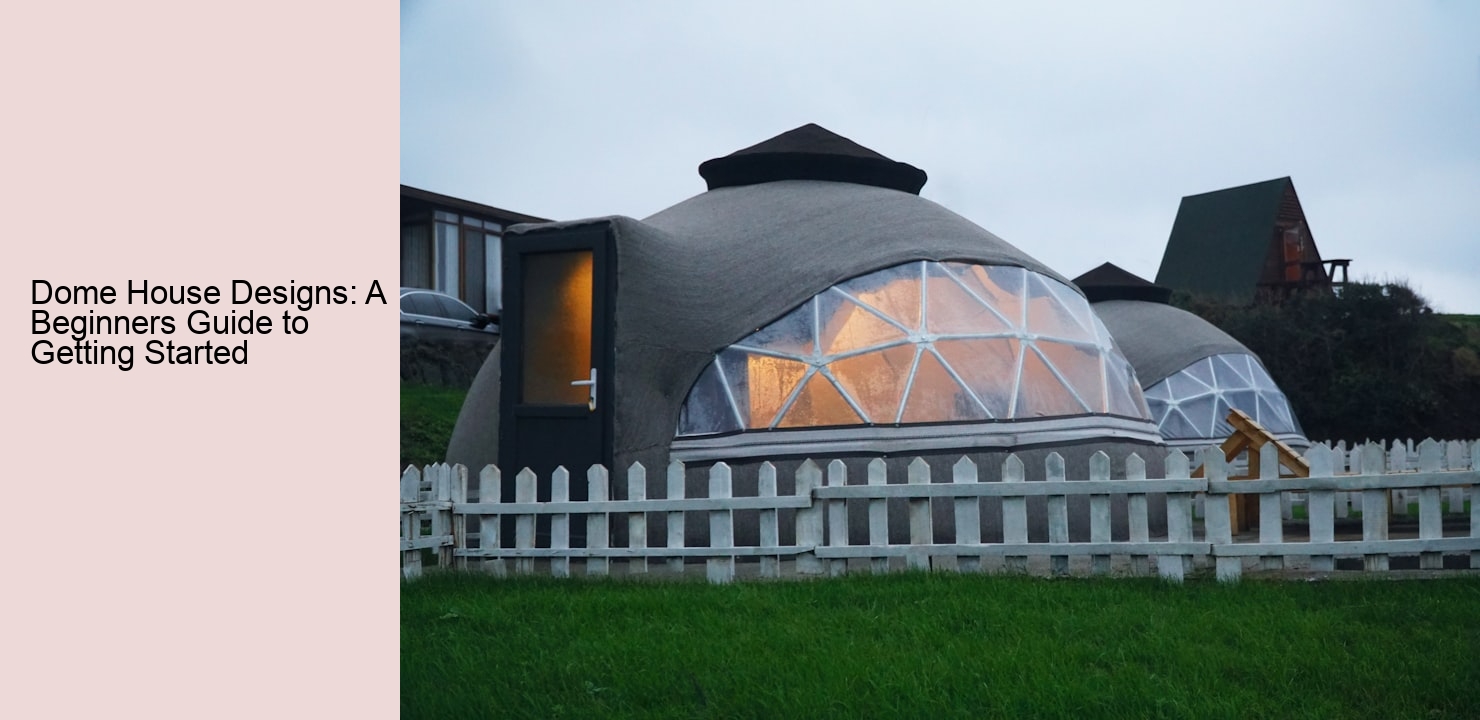
Understanding Dome House Structures
Dome house structures have intrigued architects, designers, and homeowners alike for their unique aesthetic and functional benefits. As we venture into the world of dome house designs, its essential to understand their foundational principles and the advantages they offer. This guide aims to provide beginners with a comprehensive overview of what makes dome homes a captivating choice for modern living.
At the core of dome house design is the geodesic dome, a concept popularized by architect Buckminster Fuller in the mid-20th century. Geodesic domes are constructed from a network of triangles that create a self-supporting framework. This design not only results in a structure that is both lightweight and robust but also maximizes the internal space by eliminating the need for interior support columns. The result is an open, airy environment that encourages creativity in interior design.
One of the primary advantages of dome houses is their energy efficiency. The spherical shape reduces the surface area exposed to external elements, leading to lower heat loss in winter and reduced heat gain in summer. This natural energy efficiency can significantly decrease heating and cooling costs, making dome homes an environmentally friendly option. Additionally, the aerodynamic shape of these structures offers superior resistance to natural disasters, such as hurricanes and earthquakes, providing peace of mind to homeowners in susceptible regions.
Constructing a dome house can also be a more sustainable option compared to traditional homes. The materials used are often fewer, and many dome kits are designed to be assembled with minimal waste. For those interested in green building practices, dome houses can be an excellent way to incorporate recycled or sustainable materials, further reducing the environmental footprint.
For beginners looking to embark on their dome house journey, its crucial to consider a few factors. First, familiarize yourself with local building codes and zoning regulations, as these can vary significantly and impact your design options. Working with architects or builders experienced in dome construction can also provide valuable insights and ease the process. Additionally, while the initial design of a dome house can be more involved than that of a conventional home, many companies offer kits and plans that simplify construction for the DIY enthusiast.
In conclusion, dome house structures present an exciting opportunity for those seeking an innovative and sustainable living space. Their unique design, combined with energy efficiency and structural integrity, makes them a compelling choice for the environmentally conscious homeowner. As we continue to explore the potential of dome architecture, these homes stand as a testament to what can be achieved when creativity meets practicality. With careful planning and a willingness to embrace a non-traditional path, beginners can successfully create a dome home that not only meets their needs but also inspires a new way of thinking about residential design.
Essential Materials and Tools for Building
When embarking on the journey of building a dome house, one of the most intriguing and sustainable architectural designs, having the right materials and tools is crucial. Dome houses, known for their energy efficiency, resilience, and unique aesthetic appeal, require a specific set of essentials to bring them from concept to reality. As a beginner, understanding these essentials is the first step in ensuring a successful build.
The foundation of any dome house project begins with the choice of materials. One of the most popular materials used in dome construction is geodesic panels, often made from lightweight yet sturdy materials such as metal, wood, or even composite materials. These panels form the framework of the dome, providing structural integrity while also allowing for creative freedom in design. The choice between these materials often depends on factors such as climate, budget, and personal preference. For instance, metal panels might be favored in areas prone to harsh weather due to their durability, while wooden panels might be chosen for their natural aesthetic and ease of customization.
Insulation is another critical component in dome construction. Given the unique shape of dome houses, traditional insulation methods may not suffice. Instead, materials like spray foam insulation are often used due to their ability to conform to the curved surfaces of the dome, ensuring a tight thermal envelope that enhances energy efficiency. This type of insulation not only helps in maintaining a comfortable indoor climate but also contributes to the overall sustainability of the home by reducing energy consumption.
In addition to materials, having the right tools at your disposal is essential for a smooth building process. Basic tools like hammers, saws, and drills are indispensable in any construction project, but building a dome house may require some specialized equipment as well. For instance, a laser level is particularly useful in ensuring that each segment of the dome is accurately aligned, which is crucial for maintaining the structural integrity and aesthetic appeal of the dome. Additionally, tools such as a rivet gun can be vital when working with metal panels, allowing for secure and efficient assembly.
Safety equipment should never be overlooked. Whether youre a seasoned builder or a beginner, ensuring that you have the proper safety gear, including helmets, gloves, and protective eyewear, is paramount. This not only protects you and anyone else involved in the project but also ensures that the build progresses without unnecessary interruptions due to accidents.
In conclusion, building a dome house is a rewarding endeavor that combines creativity with sustainability. By equipping yourself with the essential materials and tools, you lay the groundwork for a successful project. With careful planning and preparation, your dome house can become a unique and efficient living space that reflects both innovative design and environmental consciousness. As you embark on this exciting journey, remember that the right materials and tools are not just necessities but partners in crafting your vision into reality.
Step-by-Step Guide to Constructing a Dome House
Constructing a dome house is an exciting venture that merges architectural innovation with sustainable living. Dome houses are not only aesthetically unique but also offer remarkable energy efficiency and structural stability. This step-by-step guide will walk beginners through the fundamental steps to get started with their own dome house project, ensuring a rewarding and enlightening experience.
The first step in constructing a dome house is thorough research and planning. Understanding the different types of dome structures is crucial. Geodesic domes, for instance, are popular due to their strength and ease of assembly. They are composed of interconnected triangles that distribute stress evenly, making them incredibly stable. Monolithic domes, on the other hand, are made from a single continuous structure, offering excellent insulation and durability. Decide on the type of dome that best suits your needs, considering factors like climate, budget, and intended use.
Once you have chosen a design, the next step is site selection and preparation. It's essential to choose a location that provides the right balance of accessibility, aesthetics, and environmental harmony. Ensure the site is level or can be leveled and has adequate drainage to prevent water accumulation. Before construction, it's also crucial to check local zoning laws and obtain necessary permits to avoid legal issues.
With a site selected, the next phase involves designing your dome house. This is where creativity meets practicality. Work with an architect or utilize dome design software to visualize your ideas. Consider the interior layout, ensuring it maximizes space and light. The beauty of dome houses is their open, airy feel, so plan accordingly to maintain this characteristic. Additionally, think about sustainability; incorporate energy-efficient features like solar panels and rainwater collection systems to reduce your environmental impact.
The construction phase is where your dream begins to materialize. Start by setting a solid foundation. A concrete slab is a common choice as it provides stability and insulation. Once the foundation is ready, you can begin assembling the dome. If you're building a geodesic dome, this involves connecting the triangular panels according to your design plan. For monolithic domes, you'll inflate an airform and apply layers of insulation and concrete. This part of the process can be labor-intensive, but it's also incredibly rewarding as you watch your structure take shape.
After the dome structure is complete, it's time to focus on the interior and finishing touches. This includes installing plumbing, electrical systems, and insulation. Check out about The Dome House here. Since dome houses naturally conserve energy, you may find that heating and cooling needs are significantly reduced. Finish by adding personalized elements like flooring, paint, and furnishings that reflect your style and make the space truly yours.
Constructing a dome house is a journey that combines technical skill with creative expression. By following this step-by-step guide, beginners can navigate the process with confidence, ultimately achieving a home that is not only unique and beautiful but also sustainable and efficient. Embrace the challenge and enjoy the fulfillment that comes from creating a space that is truly one-of-a-kind.
Common Challenges and Solutions in Dome House Construction
Dome houses, with their unique architectural appeal and promise of energy efficiency, have captured the imagination of many aspiring homeowners. However, like any construction endeavor, building a dome house comes with its own set of challenges. Understanding these challenges and their potential solutions is crucial for anyone considering embarking on this architectural journey.
One of the primary challenges in dome house construction is the unconventional shape. Traditional building materials and techniques are generally designed for rectangular structures, making it difficult to adapt them to the curved surfaces of a dome. This often necessitates the use of specialized materials such as geodesic panels or inflatable forms, which can be more costly and harder to source. To address this, aspiring builders can look into prefabricated dome kits that simplify the construction process and reduce the need for specialized skills or materials.
Another challenge is ensuring structural integrity and weather resistance. Dome houses must withstand various environmental conditions, from heavy snowfall to high winds. The shape of the dome itself is inherently strong, distributing stress evenly across its surface. However, sealing the connections between panels or segments to prevent leaks is critical. Employing high-quality sealing materials and techniques, like polyurethane foam or silicone caulking, can help ensure a watertight seal. Furthermore, regular maintenance checks are essential to identify and address any potential weak points before they become significant issues.
Insulation and ventilation pose additional challenges. The curved surfaces of a dome house can create difficulties in installing traditional insulation materials, potentially impacting the energy efficiency of the home. To overcome this, builders can use spray foam insulation, which conforms to the domes contours and provides excellent thermal resistance. For ventilation, incorporating skylights and strategically placed windows can promote natural airflow, reducing the need for mechanical ventilation systems and enhancing indoor air quality.
Lastly, zoning regulations and building codes can pose hurdles for dome house construction. Many local authorities have codes in place that assume traditional building shapes, which may not readily accommodate dome structures. Prospective dome homeowners should engage with local building officials early in the process to understand the requirements and, if necessary, seek variances or adjustments. Working with architects or builders experienced in dome construction can also help navigate these legal landscapes more effectively.
In conclusion, while dome house construction presents unique challenges, with careful planning and the right resources, these obstacles can be successfully overcome. Embracing innovative materials, prioritizing structural integrity, and understanding local regulations are key steps in transforming the dream of a dome house into a reality. For beginners, tapping into the wealth of knowledge and experience available through prefabricated kits and experienced professionals can provide invaluable guidance on this journey.