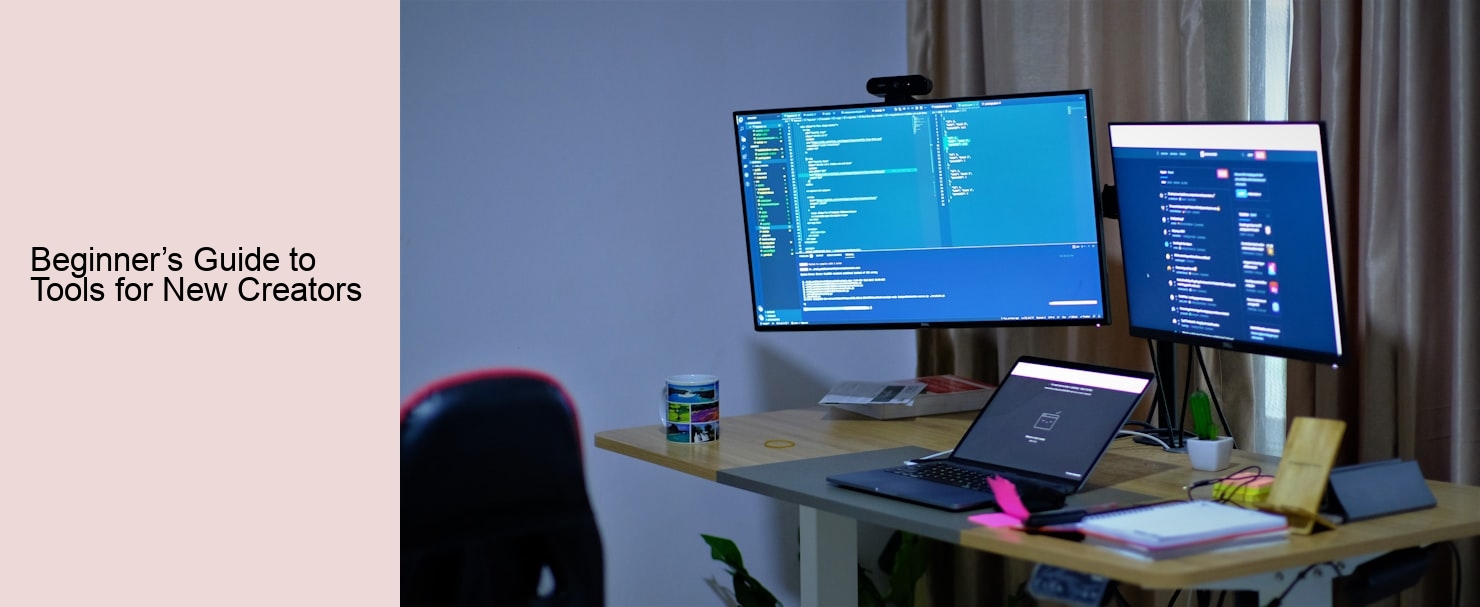
Video Editing Software
In todays digital age, the art of storytelling has transcended traditional mediums, largely thanks to the proliferation of video content across numerous platforms. For new creators eager to dive into this vibrant world, video editing software serves as an essential tool, transforming raw footage into compelling narratives. Understanding the basics of video editing software is crucial, as it can significantly impact the quality and appeal of the final product. This beginners guide aims to demystify these tools, helping novice creators select and use them effectively.
First and foremost, its important to recognize the diversity of video editing software available in the market. From free, user-friendly options to advanced, professional-grade tools, theres something to suit every skill level and budget. For beginners, starting with software that offers a balance between functionality and simplicity is key. Programs like iMovie and Windows Movie Maker are excellent starting points, as they provide intuitive interfaces and essential editing features without overwhelming users with complexities.
iMovie, exclusive to Apple devices, is particularly known for its ease of use, offering drag-and-drop functionality and a range of templates that help streamline the editing process. Similarly, Windows Movie Maker, although no longer officially supported, is still accessible to many and serves as a straightforward introduction to video editing for Windows users. Both programs allow new creators to perform basic edits such as trimming clips, adding transitions, and incorporating music or voiceovers, which are fundamental skills for any budding video editor.
As creators gain confidence and seek more control over their projects, they might consider transitioning to more sophisticated software like Adobe Premiere Pro or Final Cut Pro. These platforms offer a broader array of features, including multi-track editing, color correction, and special effects, enabling users to enhance their storytelling capabilities. However, they also come with steeper learning curves, which may require additional time and effort to master.
For those who prefer a middle ground, programs like DaVinci Resolve and HitFilm Express provide a rich set of features for free or at a low cost. DaVinci Resolve, for instance, is renowned for its advanced color grading options, making it a favorite among filmmakers and video enthusiasts who prioritize visual aesthetics. HitFilm Express, on the other hand, combines video editing with visual effects, allowing creators to experiment with a variety of creative possibilities.
Read more about Stan Store here.
The choice of video editing software largely depends on the creators specific needs and goals. Its essential for beginners to assess what they aim to achieve with their projects and select a tool that aligns with their vision. Furthermore, many of these programs offer online tutorials, forums, and resources, which can be invaluable for learning and troubleshooting.
In conclusion, video editing software is a cornerstone of modern storytelling, enabling new creators to bring their visions to life. By starting with user-friendly tools and gradually exploring more advanced options, beginners can develop the skills necessary to produce captivating content. As they navigate this journey, experimenting with different software and techniques will not only enhance their technical proficiency but also nurture their creative expression. With the right tools and a willingness to learn, the possibilities for new creators are virtually limitless.
Graphic Design Tools
Graphic design is an ever-evolving field, brimming with creativity and innovation. For new creators stepping into this dynamic arena, understanding the range of tools available is essential. These tools not only enhance artistic expression but also streamline the design process, making it more accessible and efficient for beginners.
At the heart of graphic design lies software that serves as the canvas for digital creativity. Adobe Creative Cloud is one of the most renowned suites in the industry, offering programs like Adobe Photoshop, Illustrator, and InDesign. Photoshop is a powerful tool for photo editing and manipulation, allowing designers to create stunning visuals and intricate details. Illustrator, on the other hand, is perfect for vector graphics, enabling the creation of logos and illustrations that can be resized without losing quality. InDesign is tailored for layout design, making it indispensable for creating print-ready documents such as brochures and magazines.
For those seeking alternatives to Adobes offerings, there are several other tools that cater to different needs and budget constraints. CorelDRAW is a versatile graphic design software known for its user-friendly interface and robust features. Its particularly popular among beginners who need a comprehensive tool for both vector and raster graphics. Affinity Designer is another excellent choice, celebrated for its affordability and powerful features that rival those of Adobe Illustrator.
In recent years, online design tools have surged in popularity, providing an accessible entry point for new creators. Canva is a standout platform in this category, offering a user-friendly interface with drag-and-drop functionality. It caters to those who need to create social media graphics, presentations, and other design projects quickly and efficiently. With a plethora of templates and a vast library of assets, Canva enables beginners to produce professional-looking designs with minimal effort.
Understanding the hardware is equally important for graphic design. A high-quality computer with a capable graphics card is essential for running design software smoothly. Many designers also invest in graphic tablets, such as those from Wacom, to draw and sketch with precision that a mouse cannot provide.
For beginners, the abundance of resources available online can be both a blessing and a curse. It is important to focus on mastering a few key tools before expanding your toolkit. Tutorials, online courses, and design communities offer valuable guidance and support as you navigate the world of graphic design.
In conclusion, the journey of a new creator in graphic design is both exciting and challenging. By familiarizing yourself with the fundamental tools and resources, you can unlock your creative potential and begin crafting designs that captivate and communicate. As you grow and refine your skills, your toolkit will naturally expand, empowering you to tackle increasingly complex projects with confidence.
Audio Editing Applications
In recent years, the world of audio editing has become increasingly accessible to new creators, thanks to a plethora of user-friendly applications. Whether you are a budding podcaster, an aspiring musician, or someone simply interested in enhancing audio quality for videos or presentations, understanding the basics of audio editing tools is crucial. This beginners guide aims to introduce you to the fundamental features and functions of popular audio editing applications, helping you to make informed decisions and kickstart your creative journey.
Audio editing applications are designed to manipulate sound recordings. They allow users to cut, copy, splice, and rearrange audio clips, as well as apply effects and filters to enhance sound quality. For beginners, choosing the right tool can often be overwhelming due to the wide variety of options available. However, most applications share common features that serve as a good starting point for any novice.
One of the most popular applications for beginners is Audacity. It is a free, open-source software that offers a comprehensive set of tools for editing audio. With its intuitive interface, users can easily perform basic functions such as trimming unnecessary parts of a recording, adjusting volume levels, and removing background noise. Audacity also supports a wide range of file formats, making it a versatile choice for new creators who might be experimenting with different types of audio projects.
Another excellent choice for beginners is GarageBand, especially for those using Apple devices. GarageBand is renowned for its user-friendly design and is perfect for creating music. It provides a range of pre-recorded loops and virtual instruments, allowing users to compose tracks without needing an extensive background in music theory. Its drag-and-drop interface simplifies the process of arranging and editing audio clips, making it a favorite among novice musicians.
For creators looking to dive into podcasting, applications like Adobe Audition offer robust features tailored for spoken-word content. While it might have a steeper learning curve compared to other beginner-friendly tools, Adobe Audition provides advanced features such as noise reduction, multi-track editing, and audio restoration. It is a powerful tool for those who wish to invest time in learning detailed audio editing techniques.
No matter which application you choose, the key to mastering audio editing lies in practice and experimentation. Start by exploring the basic features of your chosen software, and gradually experiment with more advanced tools and effects as you grow more confident. There are numerous tutorials and online resources available to help you along the way, providing step-by-step guidance and creative tips.
In conclusion, audio editing applications are invaluable tools for new creators, offering a gateway to enhancing and manipulating sound in various creative projects. By starting with user-friendly applications such as Audacity, GarageBand, or Adobe Audition, beginners can develop essential skills and gradually expand their expertise. With dedication and creativity, anyone can harness the power of audio editing to bring their unique voice and vision to life.
Social Media Management Platforms
Navigating the vast and dynamic world of social media can be daunting for new creators. With a plethora of platforms and tools at your disposal, knowing where to start and how to effectively manage your online presence is crucial. Social media management platforms offer a comprehensive solution, streamlining the process of content creation, scheduling, engagement, and analytics. This beginners guide will introduce you to the essential tools designed to elevate your social media game and help you thrive in the digital landscape.
At the heart of social media management lies the ability to efficiently organize and schedule your content. Platforms like Buffer and Hootsuite are popular choices for creators looking to plan their posts in advance. These tools allow you to manage multiple social media accounts from a single dashboard, making it easier to maintain a consistent online presence. Scheduling features enable you to post content at optimal times, ensuring maximum reach and engagement with your audience.
Engagement is another key aspect of building a successful social media presence. Tools like Sprout Social and Agorapulse offer robust engagement features, allowing you to interact with your audience more effectively. These platforms consolidate comments, messages, and mentions from various social networks into one unified inbox, enabling you to respond promptly and foster a sense of community. Engaging with your audience not only builds loyalty but also provides valuable insights into their preferences and interests.
Understanding your audience and measuring the performance of your content is crucial for growth. Analytics tools integrated into social media management platforms provide valuable data on metrics such as reach, engagement, and demographics. For example, Later provides detailed insights into Instagram performance, helping you identify which types of content resonate most with your followers. By analyzing these metrics, you can refine your strategy and produce content that truly connects with your audience.
Another important aspect of social media management is content creation and curation. Tools like Canva and Adobe Spark offer user-friendly interfaces for designing visually appealing graphics and videos, even if you have little to no design experience. These platforms provide templates and resources to help you create professional-quality content that stands out in the crowded social media landscape.
As you embark on your journey as a new creator, its essential to explore and experiment with different social media management platforms to find the ones that best suit your needs and style. Most platforms offer free trials, allowing you to test their features before committing to a subscription. Remember, the key to success in social media is consistency, creativity, and engagement. By leveraging these tools, you can efficiently manage your online presence, nurture your community, and ultimately achieve your goals as a creator.
In conclusion, social media management platforms are invaluable allies for new creators looking to establish and grow their online presence. By organizing your workflow, engaging with your audience, analyzing your performance, and creating compelling content, these tools empower you to navigate the complexities of social media with confidence and creativity. As you become more familiar with these platforms, youll be better equipped to harness the full potential of social media and make your mark in the digital world.